
Trends shaping the future of casino design
Innovative Architectural Concepts
The architectural landscape of casinos is rapidly evolving, moving beyond traditional designs to embrace innovative concepts. Modern casinos are incorporating open layouts that create seamless transitions between gaming areas and social spaces. This shift not only enhances the flow of movement but also encourages interaction among guests, which is critical for fostering a vibrant atmosphere. Additionally, you can explore exciting offerings at slapkongcasino.net/, where the use of sustainable building materials and energy-efficient technologies is becoming increasingly prevalent, catering to an environmentally conscious clientele.

Designers are also experimenting with unique structural elements that make casinos visually striking landmarks. Iconic buildings serve as attractions in their own right, drawing in visitors and setting the tone for the gaming experience within. Curvilinear forms and dramatic facades are being utilized to create eye-catching designs that embody the excitement of casino culture. These architectural innovations not only elevate the aesthetic appeal but also contribute to a sense of place, making each casino a distinctive entity.
Moreover, the integration of advanced technology within architectural designs is shaping how casinos are perceived. Smart buildings equipped with automated systems for lighting, temperature control, and even gaming operations are becoming the norm. These technologies enhance operational efficiency while also offering patrons a more comfortable and engaging experience. As casinos continue to push the boundaries of architectural design, they are setting new standards that resonate with both investors and guests alike.
Enhanced Customer Experience through Design
Enhancing customer experience is at the forefront of modern casino design. By creating immersive environments, casinos aim to provide a multi-sensory experience that keeps guests engaged for longer periods. This includes everything from themed interiors that transport visitors to exotic locales to state-of-the-art sound and lighting systems that amplify the excitement. The goal is to create a sense of escapism that encourages guests to explore every corner of the casino.
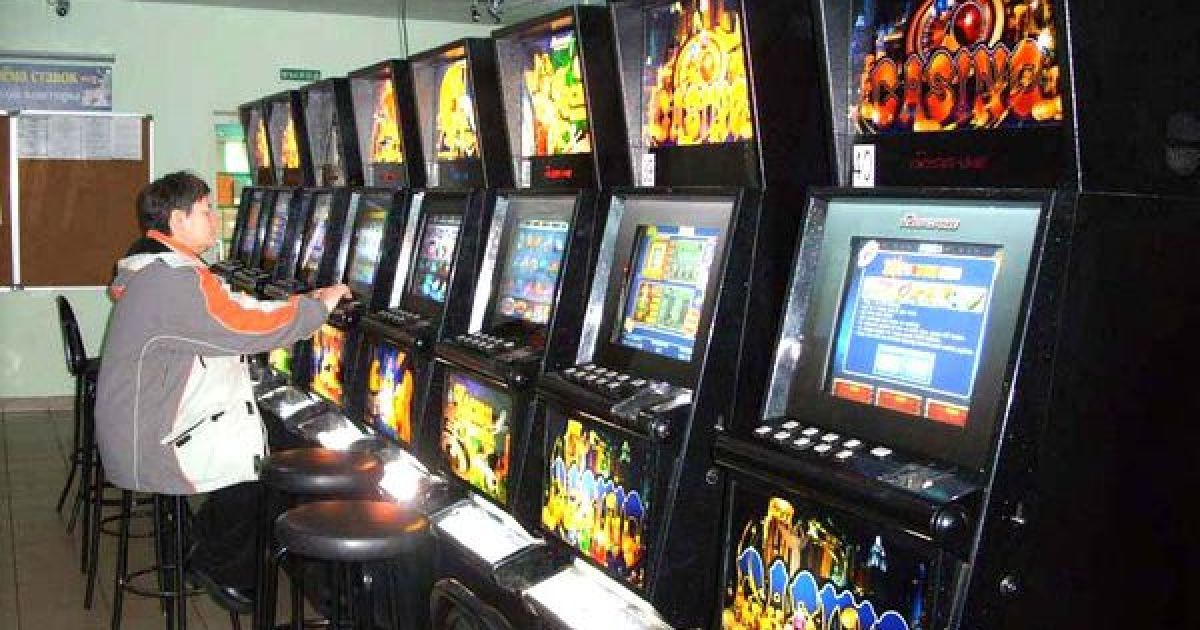
Additionally, the strategic placement of gaming tables, slot machines, and other attractions plays a crucial role in enhancing the customer journey. Designers are employing behavioral psychology principles to influence foot traffic and ensure that high-traffic areas are optimized for visibility and accessibility. This thoughtful layout not only improves the overall flow of the casino but also maximizes engagement, ensuring that guests are always in proximity to their favorite games or social spaces.
Furthermore, amenities such as lounges, bars, and restaurants are being seamlessly integrated into casino designs. This encourages visitors to extend their stay and enhances their overall experience. By creating inviting spaces for social interaction, casinos can cater to a diverse audience, from high rollers to casual visitors. The combination of gaming and hospitality fosters a vibrant community atmosphere that is becoming an essential aspect of modern casino design.
Technology Integration and Smart Features
As technology continues to advance, its integration into casino design has become indispensable. The rise of mobile gaming and online platforms has prompted casinos to adapt their physical spaces to accommodate tech-savvy guests. Mobile apps that allow for cashless transactions, game reservations, and real-time updates on events are increasingly common, providing a level of convenience previously unseen in the industry. This shift is pivotal in meeting the expectations of a generation that values instant access and seamless experiences.
Moreover, the incorporation of virtual reality (VR) and augmented reality (AR) is beginning to transform the gaming experience. These technologies offer guests an interactive layer that adds depth to traditional casino games. For instance, players might don VR headsets to engage in immersive gaming environments or explore virtual casinos that replicate the thrill of physical gaming. This not only enhances the entertainment value but also attracts a younger demographic eager for innovative experiences.
Advanced data analytics are also shaping casino design by enabling operators to understand customer preferences better. By analyzing gaming patterns and behaviors, casinos can tailor their environments to meet the specific desires of their clientele. This data-driven approach allows for targeted marketing and personalized experiences that can significantly increase customer loyalty and satisfaction. As technology continues to evolve, the focus on data integration will undoubtedly shape the future of casino design.
Sustainable and Eco-Friendly Practices
As the global conversation around sustainability gains momentum, casinos are increasingly adopting eco-friendly practices in their design and operations. The incorporation of green building standards, such as Leadership in Energy and Environmental Design (LEED), ensures that new constructions minimize their ecological footprint. This includes using renewable energy sources, implementing water conservation techniques, and maximizing natural light through innovative architectural design. Such practices not only benefit the environment but also resonate with the values of modern consumers.
Beyond mere compliance, many casinos are actively engaging in sustainability initiatives that promote community well-being. This might involve partnerships with local organizations to support conservation efforts or programs that prioritize local sourcing for food and materials. By positioning themselves as responsible corporate citizens, casinos can strengthen their brand image and appeal to environmentally conscious visitors who prioritize sustainability in their choices.
Furthermore, sustainable design elements are becoming appealing aesthetic features in their own right. Green roofs, living walls, and the use of recycled materials are not just practical; they add a unique visual flair that can enhance the overall atmosphere of the casino. These design choices reflect a commitment to innovation and sustainability, setting a new precedent in the industry. As environmental consciousness grows, the demand for eco-friendly casinos will likely shape future design trends significantly.
Conclusion and Resources
In conclusion, the future of casino design is being shaped by a myriad of factors, from innovative architecture to enhanced customer experiences and technological advancements. As casinos strive to create immersive environments that engage guests, they are also embracing sustainability and eco-friendly practices, reflecting a broader societal shift towards environmental responsibility. The integration of smart features and data analytics allows casinos to better cater to their guests, ultimately enhancing satisfaction and loyalty.
For those interested in exploring more about the latest trends in casino design, numerous resources and websites provide valuable insights and updates on industry developments. These platforms offer in-depth analyses, expert opinions, and case studies that illustrate how casinos can adapt to evolving consumer preferences. Staying informed about these trends will not only be beneficial for industry professionals but also for enthusiasts who want to experience the future of gaming in style.